How to Choose a Hotel for a City Trip Without Being Fooled by the Photos
Short answer : never trust the hotel’s own photos on their own. Cross-check them with guest photos, recent reviews and a look at the map. That takes about 15 minutes, and it’s the difference between a room you love and a room that looks like a different place entirely.
I know, it sounds obvious. But how many times have you booked a “bright, spacious double” and found a cupboard with a window facing a wall ? Photos are marketing, full stop. They’re not lying, exactly, they’re just very selective. And one thing almost nobody checks is the bed. If you want to understand what actually makes a hotel mattress good or bad before you judge a room, https://matelashotelier.fr is a handy place to start. Because honestly, a city trip is mostly walking all day and sleeping badly or well at night.
Why hotel photos are so misleading
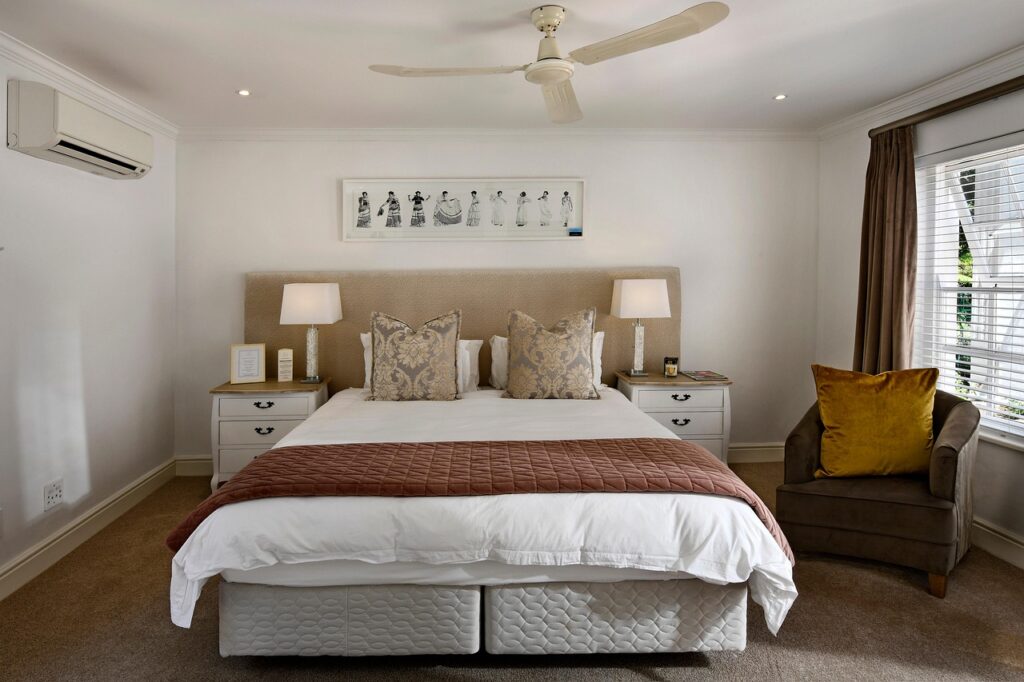
Let’s be clear about the tricks. Most of them are legal and completely standard.
- Wide-angle lenses: they stretch the room. A 14 m² room can look like a small suite.
- Photos of the best room category: the picture shows the deluxe room, you booked the “standard”.
- Old pictures: renovated three years ago, or not renovated since 2012. The listing doesn’t tell you.
- Cropped angles: no view of the bathroom door, the radiator, the corner where the bed almost touches the wall.
Perso, I find the bathroom is where hotels cheat the most. Ever seen a gorgeous shower photo, then found out the bathroom is shared or the shower has no door ? It happens.
Step 1: look at guest photos, not just the official gallery
Open the reviews on whatever platform you use and filter for photos from travellers. This is the single most useful thing you can do.
Guest photos are ugly. Bad lighting, a suitcase on the floor, a phone held at a weird angle. That’s exactly why they’re useful. You see the real size of the room, the real colour of the walls, the real state of the carpet.
Compare them to the official ones. If the two sets look like different buildings, you have your answer.
Step 2: read recent reviews, and read them properly
Don’t just look at the score. A 8.4 can hide a lot of things.
- Sort by most recent. A hotel can change fast : new owner, new management, works next door.
- Search the reviews for keywords : “noise”, “smell”, “bed”, “small”, “AC”, “heating”, “wifi”.
- Look at the low-score reviews first. Are the complaints about one-off bad luck, or the same problem again and again ?
- Check how the hotel answers complaints. A defensive reply tells you a lot.
One complaint about noise ? Maybe a bad night. Ten complaints about noise ? It’s the street, the bar downstairs, or thin walls. Don’t talk yourself into it.
Step 3: check the location yourself on a map
“City centre” means nothing. Some hotels use it for places that are a 25-minute walk from anything you want to see.
Open a map and do three things :
- Measure the walking time to the sights you actually care about.
- Find the nearest metro or tram stop, and see how many lines it serves.
- Use street view to look at the street. Bars, nightclubs, a main road, a building site ? You’ll see it in thirty seconds.
Also think about arrival. If you land late at night, is it easy to reach the hotel ? If you have a big suitcase, are there stairs or a steep hill ? These details never appear in the photos.
Step 4: take the bed seriously
Here’s where I’m a bit obsessed, I admit. You can forgive a small room. You can forgive an average breakfast. A bad mattress ? That ruins every single morning of your trip.
Photos tell you almost nothing about it, so look for clues in the reviews. Words like “comfortable bed”, “slept like a baby”, “hard as a board”, “sagging” or “squeaky” are gold. Also check the bed type : two single beds pushed together are not the same as a proper double, and many couples find that out too late.
Step 5: pin down the room type before you pay
Read the room description line by line. Surface in square metres, bed size, floor, view, private or shared bathroom. If a detail is missing, assume it’s not good news.
Then compare the exact room you’re booking to the photos shown. “Standard”, “Superior”, “Deluxe”: they are not the same room, and the pictures often show the more expensive one.
If something is unclear, send a short message to the hotel before booking. Ask something precise : “Is the room on the street side or the courtyard side ?” A good hotel answers quickly and honestly. A hotel that dodges the question ? Move on.
Step 6: look for hidden costs and bad conditions
A cheap price can get expensive fast. Before you click, check :
- City tax: in many European cities it’s charged per person, per night, and often paid on arrival.
- Breakfast: is it included, and is it worth the supplement ?
- Cancellation policy: free cancellation is worth a few extra euros if your plans might change.
- Luggage storage: handy if your flight is late and check-out is at 11.
Franchement, free cancellation is my default now. It lets you book early, then keep checking whether something better appears.
Quick checklist before you book
- Do guest photos match the official ones ?
- Do the last 3 to 6 months of reviews say the same thing ?
- Is the walking time to what you want to see acceptable ?
- Did you check the street on a map ?
- Is the bed type clear and the sleep reviews good ?
- Do you know the exact room category and its size ?
- Are taxes, breakfast and cancellation terms clear ?
So, what should you remember ?
Photos are a starting point, not proof. The hotel shows you its best side, so your job is to find the other sides. Guest pictures, fresh reviews, a map and a clear look at the room category will protect you from most bad surprises.
Will you still get unlucky once in a while ? Sure, it’s travel. But next time you’re about to book a city trip hotel because of one pretty picture of a bed with white sheets, stop for ten minutes and run through this list. Your back, and your wallet, will thank you.